26 August 2026
Clay has long been used as a material of transformation. It can become a vessel, a plate, a sculpture; it can be shaped, fired, broken and reshaped. It also carries the traces of where it comes from. In (O-O-O), artist Vanessa Donoso López uses this malleability to think through migration, adaptation and belonging.
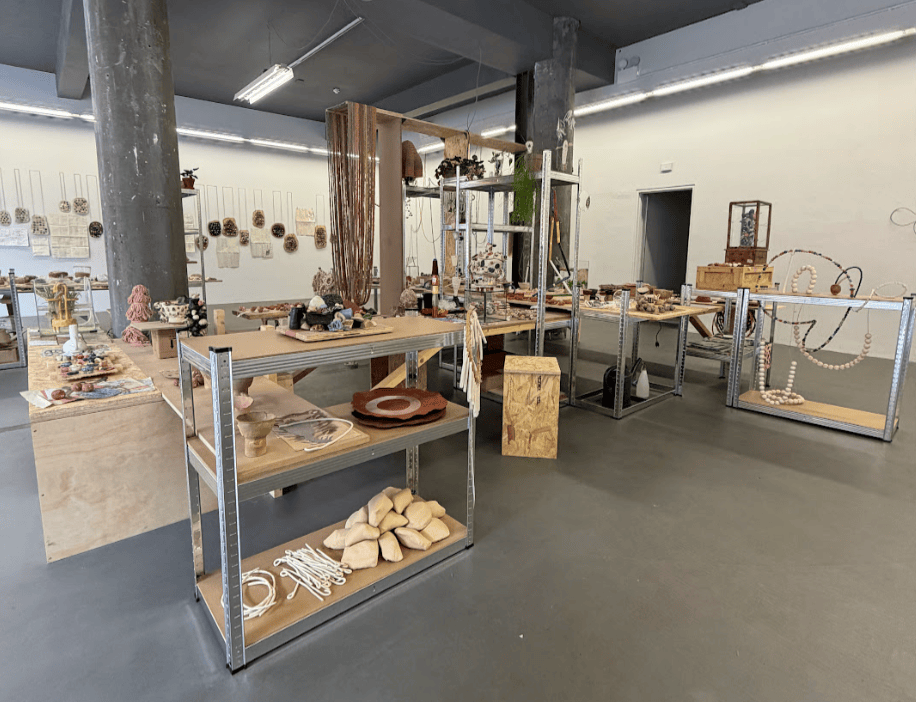
Clay has long been used as a material of transformation. It can become a vessel, a plate, a sculpture; it can be shaped, fired, broken and reshaped. It also carries the traces of where it comes from. In (O-O-O), artist Vanessa Donoso López uses this malleability to think through migration, adaptation and belonging.
Temple Bar Gallery + Studios presents the solo exhibition by Vanessa Donoso López’s, a Three Year Studio Member, from 24 July until 20 September 2026. Rather than presenting a selection of finished work, the exhibition brings the artist’s studio into the gallery: unfinished ceramic objects, sculptures, water immersed plants, research material, drawings, notes and other memorabilia occupy the space. The result is more of an ecosystem in progress.
Donoso López’s practice is closely connected to her experience inhabiting the world. Having lived in Ireland for the past twenty years, she has developed a body of work concerned with personal identity, migration and cultural behaviour. Clay becomes the adient material through which to explore these questions. Like clay, humans can be shaped by their surroundings, absorbing and retaining new elements that modify the original structure. Migration, too, requires adaptation, resilience, and, at times, reshaping one’s identity.
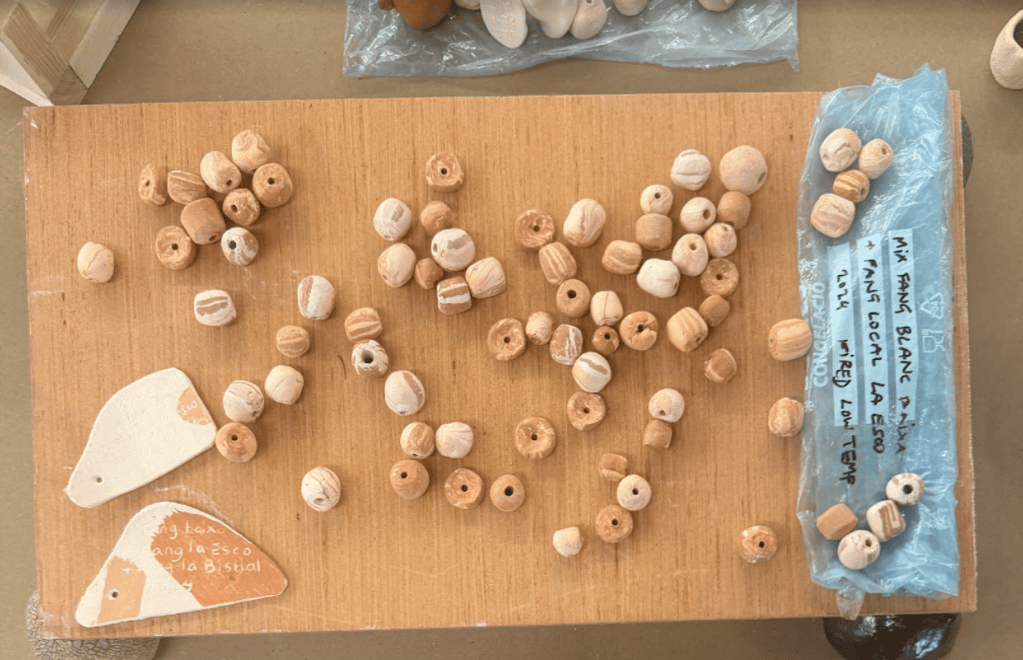
The plants spread across the gallery extend this idea. Many were given to the artist at different moments and places during her residencies. Regardless of their origins, they have continued to grow, following light and water. Sharing gallery space with clay, humans, and other objects, we all become an ecosystem, far from hierarchies.
The gallery text describes Donoso López’s research into boundaries and “transitional phenomena” as the transposition of the inner reality to the outer reality through object creation and affection. Bringing the studio directly into the studio unfinished works and raw materials, attempts to dissolve the boundary between artistic production and exhibition. While there is something tender about this proposition, this is also where my unease with (O-O-O) begins.
The symbolism of adaptation and relocation of the primordial materials—sand, water, clay, plants, minerals—strongly evokes diasporic experience and the necessity of adaptation for survival. But the tenderness of this migratory narrative feels dislocated from reality. Indeed, our survival instincts help us adapt when we relocate. We learn new behaviours, languages, and cultural codes according to the cultural setting. And, for some, adaptation is a choice, but for some others, it is imposed—think of any occupied land.
Nonetheless, clay does not face border control, residency cards, visa status, non-EU international student fees, or spiky walls with military awaiting on the other side. Adaptability becomes a strange quality to celebrate when the place we land in can simultaneously restrict our entry. And this comes at a particularly complex moment, as we witness yet another humanitarian crisis in Ceuta, where the lives of children are at stake. Who dares talk about adaptation here?
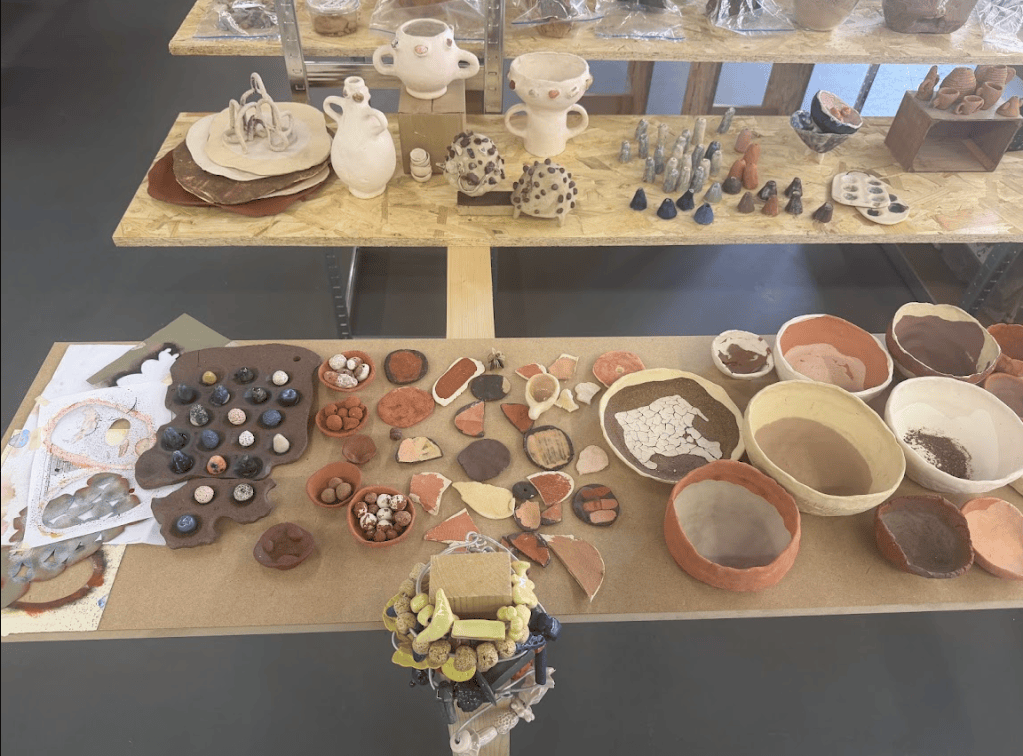
The metaphor of clay is compelling, but not everyone is given the same conditions in which to adapt. And this does not diminish Donoso López’s own journey or the sincerity of her research. While the artist’s research into clay is thorough and beautifully materialised across the gallery’s longspan shelves—the ceramic plant pots and the plant “aquarium” are remarkable— the work fails to connect with the text and with the more intimate dimensions of migration briefly outlined in the interview with TBG+S Communications Manager Sadbh O’Brien. The personal experiences suggested there remain largely absent from the exhibition itself, which impedes the deeper connection with the metaphor it seeks to provoke.
The idea and the energy in Donoso López’s work are palpable, and the familiarity with clay makes (O-O-O) a tender and inviting exhibition, perhaps ideal for the middle-class tourist seeking shelter from the unexpected Dublin heatwave.


Leave a comment